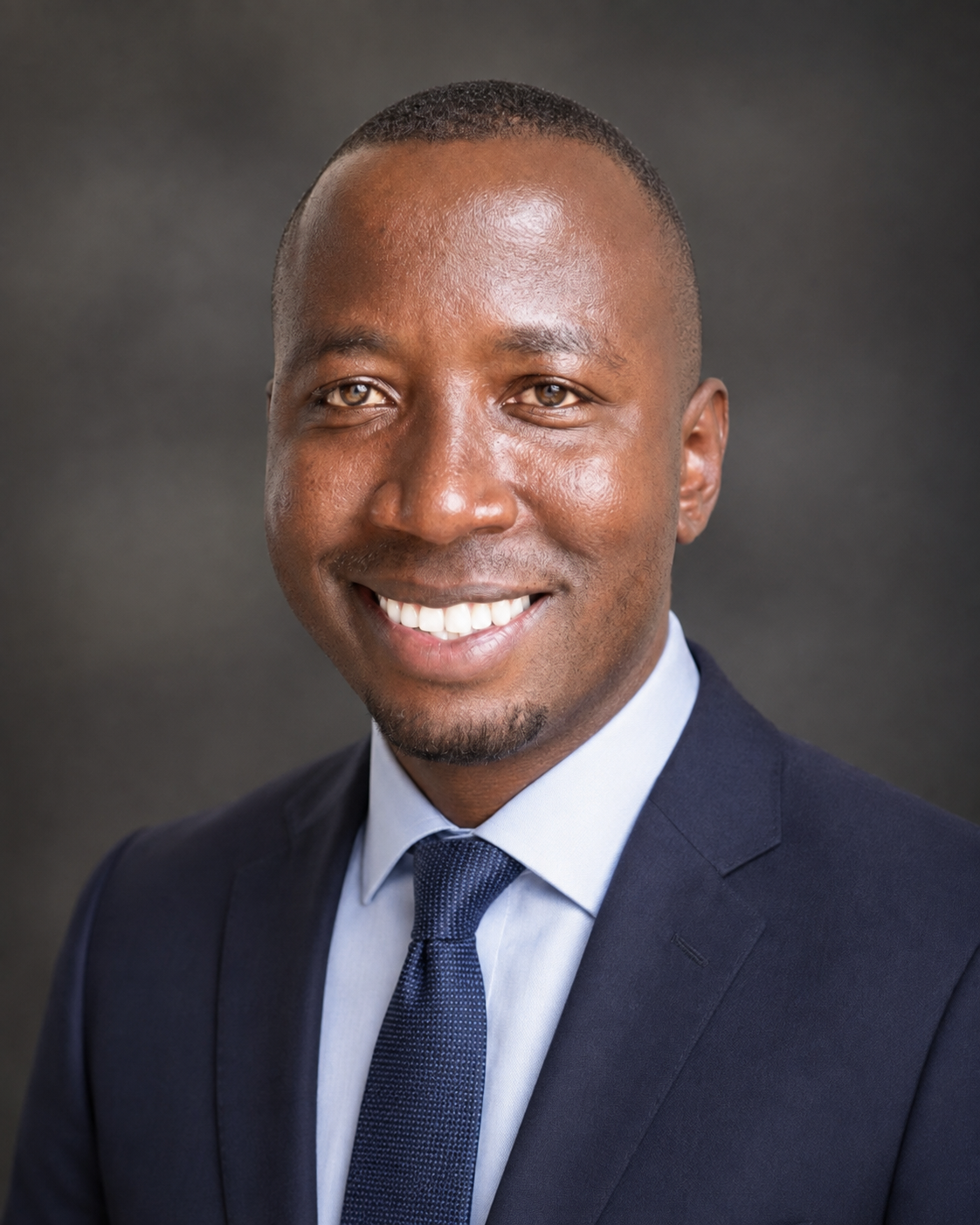
Nyamusi Josiah Magatti, MScPH, is a public health professional and nonprofit leader who serves as Executive Director of the Shirati Health, Education and Development Foundation (SHED) in Shirati, Tanzania.
He has worked with SHED for more than a decade and has played a central role in the organization’s management, institutional development, partnerships, and implementation of health, education, water, and community-development programs throughout Rorya District and the surrounding region.
Magatti pursued graduate studies in public health in Dar es Salaam and has built his career around strengthening community-based health services, developing local institutional capacity, and connecting underserved rural communities with Tanzanian and international partners.
After years of involvement with SHED and its programs, Magatti was appointed Deputy Executive Director in 2017 and subsequently assumed increasing responsibility for the Foundation’s operations. He later became Executive Director, succeeding SHED’s founding Executive Director, Josiah Kawira.
Running SHED’s Operations
As Executive Director, Magatti provides overall leadership for SHED’s operations under the direction of its Board of Directors. His responsibilities include organizational planning and budgeting, program implementation, staff management, procurement, financial oversight, donor reporting, government and regulatory compliance, institutional partnerships, and coordination of SHED’s health, education, water, and community-development programs.
A major part of Magatti’s work has been SHED’s longstanding partnership with Village Life Outreach Project in Cincinnati, Ohio. He has served as the principal in-country coordinator for many SHED–Village Life initiatives, working with community leaders, healthcare professionals, universities, engineers, donors, volunteers, contractors, and government officials to implement projects in Roche, Nyambogo, Burere, and other communities.
Health Facilities and Programs
Health has remained a major focus of his leadership. Magatti has helped oversee SHED’s healthcare programs and the continued development of Roche Health Center, including expansion of maternal, reproductive, and child-health services. He has coordinated construction, procurement, staffing, equipment, outreach activities, visiting medical teams, and collaboration with local health authorities.
His vision for Roche Health Center is to strengthen it as a comprehensive referral-level health facility serving the surrounding region. Priorities include expanded laboratory and diagnostic services, maternal and child healthcare, cervical-cancer screening, family-planning services, nutrition programs, blood-transfusion capacity, dental services, improved staffing, health-information systems, research, ambulance services, reliable backup power, and future expansion of maternity, diagnostic, and staff facilities.
Magatti has also worked with other healthcare institutions in the region to strengthen specialized health programs and improve their long-term sustainability, including collaboration concerning sickle-cell services and other community health initiatives.
Beyond Health Facilities
Water, sanitation, and infrastructure development have formed another important part of his work. Through SHED’s longstanding partnership with Engineers Without Borders-USA and the University of Cincinnati chapter of Engineers Without Borders, Magatti has helped coordinate water and infrastructure projects in Roche, Burere, Nyambogo, and surrounding communities. His work has included community engagement, project planning, procurement, contractor coordination, financial management, implementation oversight, and long-term maintenance planning.
Magatti has also helped establish SHED as an important field partner for international education, clinical training, research, and professional exchange. He has coordinated visits involving medical students, nursing students, physicians, dentists, public-health professionals, engineers, university faculty, researchers, and volunteers from the United States and other countries.
He has represented SHED in partnerships involving the University of Cincinnati, the Catholic University of Health and Allied Sciences in Mwanza, Village Life Outreach Project, Engineers Without Borders, and other institutions. These collaborations have created opportunities for rural clinical training, public-health education, research, faculty and student exchange, professional development, and cross-cultural learning.
Beyond healthcare, Magatti has been actively involved in SHED’s education and community-development programs. His work has included school-based initiatives, nutrition programs, water and sanitation projects, community committees, educational support, visiting student programs, and efforts to connect SHED’s partner communities with government services and additional nonprofit resources.
Magatti has also played an important role in strengthening SHED as an institution. He has coordinated Annual General Meetings, worked closely with the Board of Directors, supervised staff, developed organizational policies and procedures, prepared budgets and program reports, managed relationships with donors and institutional partners, and represented SHED in communications with government agencies, universities, healthcare institutions, vendors, contractors, and community leaders.
His leadership reflects SHED’s community-centered approach to development: identifying priorities together with local communities, building sustainable institutions, developing long-term partnerships, and combining local knowledge with technical, academic, and financial resources from Tanzania and abroad.
With graduate training in public health, extensive experience managing rural development programs, and more than a decade of leadership within SHED and its partner network, Magatti brings deep institutional knowledge of the communities SHED serves and of the partnerships that have sustained its work.
As SHED enters its next phase, Magatti remains focused on strengthening the Foundation’s institutions, healthcare infrastructure, partnerships, and community relationships while expanding its capacity to undertake larger health, education, water, research, and community-development initiatives.